

Dentures – Blaine, MN
The Tried-and-True Solution to Missing Teeth
You no longer have to imagine a complete and functional smile because our team offers custom-crafted, natural-looking full, partial, and implant dentures in Blaine that can make your dream a reality! Not only can these replacement teeth restore the appearance of your smile, helping you laugh and speak with confidence again, but they also make basic daily tasks like eating and speaking easier. To learn whether dentures can benefit you, call our office to schedule a consultation today!
Who’s a Good Candidate for Dentures?

Dentures are an incredibly versatile treatment that can solve a wide variety of tooth-replacement needs. So, if you’re worried you might not be able to qualify for dentures, you can probably put your mind at ease.
Whether you’re missing several teeth or a full arch, modern dentures can improve your quality of life by making everyday activities, like chewing, speaking, and smiling much easier. During your consultation, your dentist in Blaine will examine your mouth, explore your options, and help you decide if dentures are the right solution for you.
Effects of Missing Teeth

Teeth can be lost for many reasons, including tooth decay, gum disease, dental trauma, and genetics. No matter the cause, leaving gaps in your smile can have serious consequences over time.
For example, when a tooth goes missing, neighboring teeth often drift out of place to try and fill the space. This changes your bite and makes it harder to clean your smile properly, increasing your risk of cavities and gum disease.
Missing teeth can also affect your jawbone. Without regular stimulation from chewing, the bone in that area begins to shrink due to a process called bone resorption. Over time, this can lead to an older, “sunken” appearance.
In addition, studies from the American Academy of Periodontology suggest that people with tooth loss often experience a number of other challenges, like reduced nutrition and difficulty chewing.
Replacing missing teeth isn’t just a matter of improving the appearance of your smile—it's essential for a good quality of life.
What Are the Qualities of a Great Candidate for Dentures?
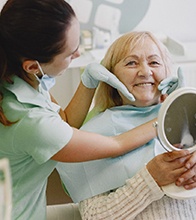
Most adults missing several or all their teeth can be good candidates for dentures. The best candidates typically have:
- Multiple Missing Teeth: Significant tooth loss on one or both arches.
- Healthy Gums: No uncontrolled gum disease or active infections.
- Adequate Bone and Tissue Support: Enough ridge height to help keep dentures stable.
- Commitment to Oral Hygiene: Willingness to clean dentures and gums daily.
- Realistic Expectations: Understanding that dentures may feel different at first and require an adjustment period.
During your visit, our dentist in Blaine will review these factors and tailor a treatment plan just for you.
Alternative Tooth-Replacement Options
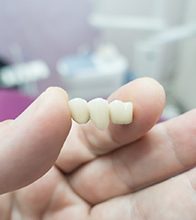
Dentures are a popular choice, but they’re not the only way to address missing teeth. Some patients, especially those with many healthy teeth remaining, may find success with alternative options.
- Dental Bridge: If you have strong teeth on either side of a gap in your smile, you may be a good candidate for a dental bridge. This treatment uses a prosthetic made of dental crowns and false teeth (pontics) to fill the space.
- Dental Implants: These are another great option, especially if you want to avoid bone loss. Dental implants replace teeth from the roots-up, using titanium posts that support crowns, bridges, or even dentures.
At Imagine Smiles, we’ll walk you through every option from traditional dentures, to bridges, implants, and implant dentures, so you can choose the solution that best fits your needs, goals, and budget.
Types of Dentures
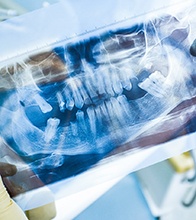
Based on the type of tooth loss you face, your dentist in Blaine will suggest one of the following denture designs to help improve your quality of life and restore your smile.
Partial Dentures
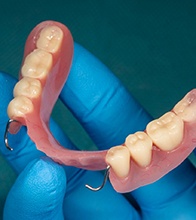
A partial denture consists of multiple teeth on a gum-colored resin base that wraps around the remaining teeth in the mouth. A partial is not fixed in place. It is normally secured using clips or brackets that wrap around the adjacent teeth and is removable.
Full Dentures
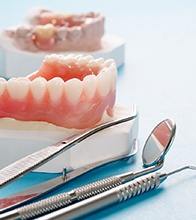
A full denture is a complete top or bottom row of teeth mounted on a gum-colored base. Dentures are designed to replace all the upper or lower teeth. Although they provide a cost-effective way to restore chewing and speaking function, for patients who are looking to restore the entire structure of missing teeth for a lifelike look and feel, we often recommend dental implants.
Implant Dentures
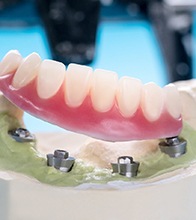
To avoid the need for unsightly clips or denture adhesives, the addition of dental implants to a treatment plan may provide an extra level of stability for a denture or partial. Through a brief surgery, dental implants can be placed to hold your denture or partial in position. You won't have to worry about slippage, and your prosthetic will feel safe and sound. To learn more about the advantages of dental implants, click here.
The Benefits of Dentures

Some of the benefits that you’ll be able to enjoy when you choose dentures to restore your smile include:
To learn how dentures can help you, give our office a call today!
Dentures Aftercare

Although dentures are known to change the way you see and use your smile after suffering from tooth loss, they do require the same level of high-quality care once they’re in place. This means you shouldn’t plan to skip your regular dental appointments just because all or most of your teeth are artificial. Instead, these visits will ensure that your new smile is healthy – your gums, remaining teeth, and even your facial structures that can be vulnerable to oral cancer. Maintaining good denture aftercare is essential, so review the following tips to ensure your teeth get the attention they need.
Removable Dentures

Remove After Eating
Once you are finished with a meal, make sure to remove your dentures. Not only does this prevent food and bacteria from building up on your artificial teeth, but it also allows you to clean your remaining teeth and gums so that plaque and tartar do not transfer. Just make sure to use lukewarm water instead of hot, as this can warp your dentures, causing them to fit improperly.
Clean Your Restoration
When cleaning your dentures, you’ll need to use a soft-bristled toothbrush and unscented hand soap or a denture cleanser to remove bacteria and keep your smile in the best possible shape. Remember to never use toothpaste, as it’s too abrasive and will scratch your dentures. Also, when you’re not wearing them, soak them in a glass of water so that they remain moist and hold their shape. Before reinserting them into your mouth, make sure to rinse them off so that you do not taste any of the cleaning products that were used.
Keep Your Dentures Safe
Small children and pets can be problematic if you wear dentures. Apart from placing a towel in your sink basin to prevent accidental damage should you drop your dentures while cleaning them, you’ll also need to keep them out of reach. Otherwise, you could end up with little hands hiding them or your four-legged friend making a treat out of your new teeth.
Remove Dentures When You Sleep
Many patients wonder if they should remove their dentures before going to bed. The answer is yes, you should. The reason is that your gums and bones need time to rest and receive valuable nutrients that are commonly lost throughout the day because of continuous wear. Also, the risk of pneumonia is much higher if dentures are left inside the mouth while sleeping, as plaque can form and burrow underneath the denture over time. Finally, placing your dentures in a soaking solution will ensure they don’t become brittle and break when wearing them each day.
Notice Changes
The moment you notice that your artificial teeth no longer feel right, call our office. Our team will examine your mouth for oral sores, gum irritation, and infection – all side effects of changes that can occur over time. If they are damaged, it’s best to avoid repairing them on your own; instead, bring them to our office for help. If your teeth seem to shift, click, or fit uncomfortably, we may be able to reline them or replace them with a new prosthetic.
Dentures FAQs

Dentures in Blaine have been the go-to solution to replace missing teeth for generations, but dentures are a big step. It's normal to have some concerns about the road ahead. Don't worry, your dentist will explain everything during your initial consultation. In the meantime, here are the answers to the most frequently asked questions about dentures.
Can I Sleep with My Dentures?
New materials and technologies allow dentures to fit more comfortably than ever before, so you may never want to take them out. However, after the first 24 hours, you must remove your dentures at night. They restrict blood circulation to your gums during the day, which can lead to sores, inflammation, and infections if the soft tissues aren't given a break. Research has also shown that wearing your dentures too much can lead to accelerated bone loss.
Taking your dentures out before bed will help you get the most from your investment while also keeping your mouth healthy. Besides brushing them, place them in an overnight soaking solution to keep them moist and kill any bacteria.
Can I Use Regular Toothpaste to Clean My Dentures?
Toothpaste can be abrasive, which can scratch your dentures. Food debris and plaque can get trapped in the small crevices, causing them to look discolored and leading to unpleasant odors. Bacteria can damage your dentures over time, causing you to need replacements sooner.
It's best to use a soft-bristled toothbrush and non-abrasive toothpaste or a mild dishwashing liquid. You can also purchase over-the-counter cleaning kits to keep your dentures looking and smelling their best. With the correct care, your dentures can last for 5 to 7 years before needing to be replaced.
Can I Still Eat Steak with Dentures?
It is possible to eat steak with dentures, but your dentist in Blaine will recommend it in moderation. Steak requires a lot of chewing, which puts additional wear and tear on your dentures. It can also cause gum and jaw pain from prolonged chewing. If you can't resist a juicy steak, tenderize it before cooking it. Cut it into small pieces to make it easier to chew. A denture adhesive can give you more stability, so you can enjoy your meal without your teeth falling out.
Is a Broken Denture a Dental Emergency?
You can't go without any teeth, which is why a broken denture is a dental emergency. Never use glue or adhesives to fix your denture at home because it can cause additional damage. Not to mention, glue and adhesives can contain toxic ingredients or cause allergic reactions.
It's best to leave the mending for professionals. Use an old denture if possible and contact our office. We will get you into the office quickly to provide the necessary repair or replacement.